Exploring Effective Strategies for Managing Unwanted Plants
Invasive weeds are a significant concern for gardeners, farmers, and land managers. These plants spread rapidly, often outcompeting native vegetation and disrupting local ecosystems. Understanding how these weeds grow and thrive is crucial in managing them effectively. By learning about the different types of invasive plants and exploring control methods, you can help protect your landscape from their damaging effects.
The Impact of Invasive Plants on Ecosystems
Invasive plants can cause severe disruption to ecosystems. They often compete with native species for resources like sunlight, water, and nutrients. This competition can lead to the decline or even extinction of local plant populations. Moreover, invasive weeds can alter soil chemistry and hydrology, affecting the entire food web reliant on these habitats.
Identifying Common Types of Invasive Weeds
There are many different kinds of invasive weeds that affect various regions. Some common examples include kudzu, which grows aggressively across the southern United States, and Japanese knotweed, known for its fast-spreading root system. Accurate identification is essential for appropriate control measures.
Effective Strategies for Managing Invasive Weeds
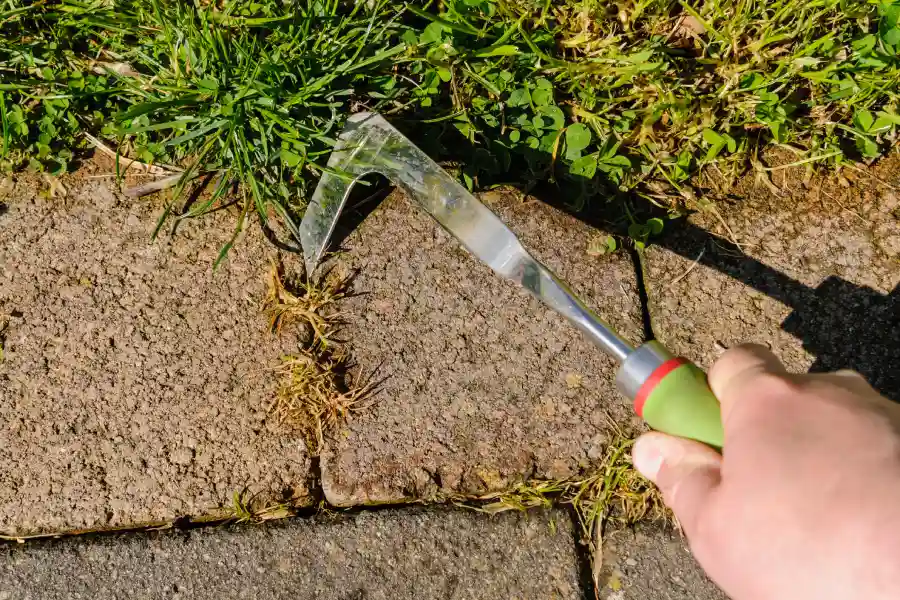
Managing invasive weeds involves multiple strategies. Mechanical removal methods such as hand-pulling or mowing can be effective for smaller infestations. Chemical controls like herbicides may be necessary for larger areas, but it is vital to follow guidelines to minimize environmental impact. Biological controls involve introducing natural predators or diseases specific to the weed.
Importance of Regular Monitoring and Maintenance
Regular monitoring is key to controlling invasive weeds successfully. Frequent inspections allow you to catch new growth early, making it easier to manage. Consistent maintenance practices, such as mulching and pruning, help keep landscapes healthy and less susceptible to invasions.
Weeding Techniques That Ensure Long-Term Results
Weeding is not just about removing visible plants; it’s about ensuring long-term results by addressing root systems and preventing seed spread. Applying mulch can suppress weed growth by blocking light. Additionally, using ground covers or competitive planting can naturally crowd out potential invaders.
Environmental Considerations When Controlling Invasive Weeds
When controlling invasive weeds, it’s important to consider environmental impacts. Opting for manual or organic methods minimizes chemical use. If chemicals are necessary, choose products labeled safe for surrounding flora and fauna. Always aim to maintain biodiversity and balance within your environment.
The Role of Community Efforts in Weed Management
Community involvement can be instrumental in invasive weed management. Organized efforts, like neighborhood cleanups or educational workshops, increase awareness and foster collective action. Sharing knowledge and resources among community members amplifies the effectiveness of control measures.
Your Partner With Weed Control Solutions
For those facing challenges with invasive weeds, professional assistance provides valuable expertise. Our team at Jay's Garden Guardians offers customized solutions tailored to your specific needs. Reach out at (352) 550-0011 for more information on our services. Based in Lady Lake, FL, we deliver sustainable control measures designed to protect your environment.